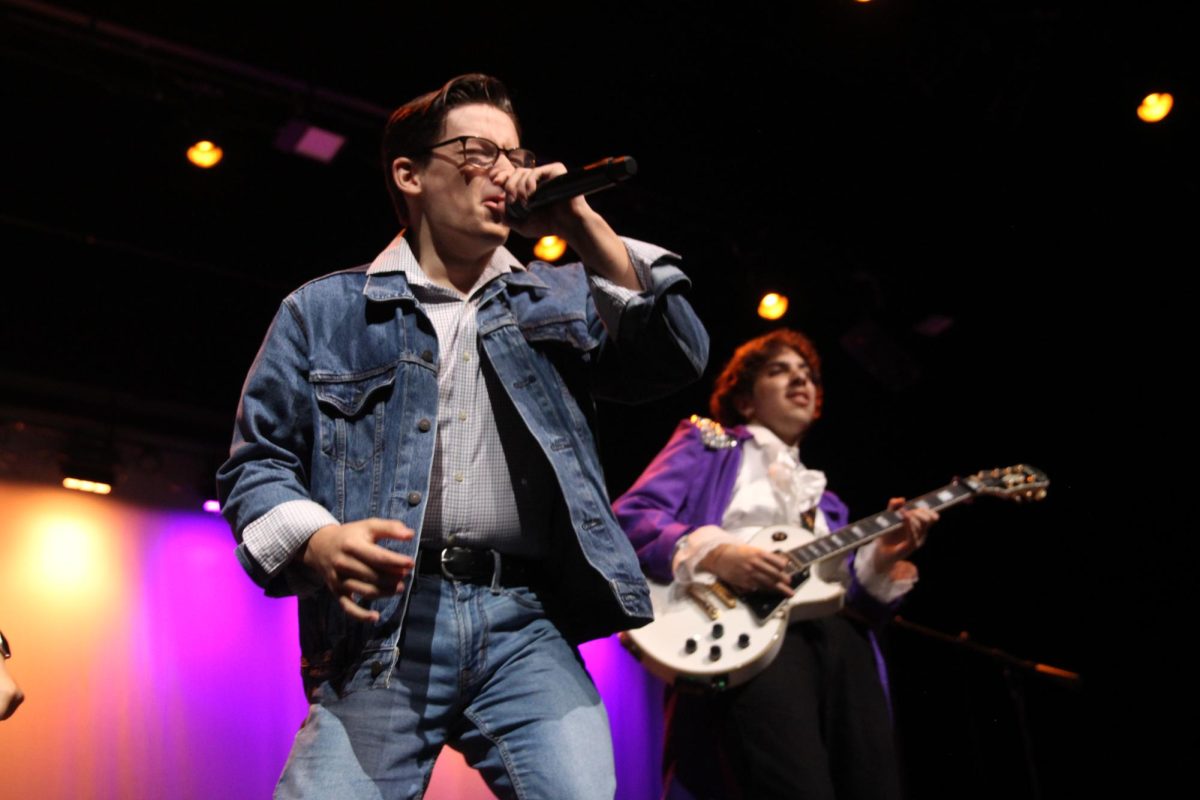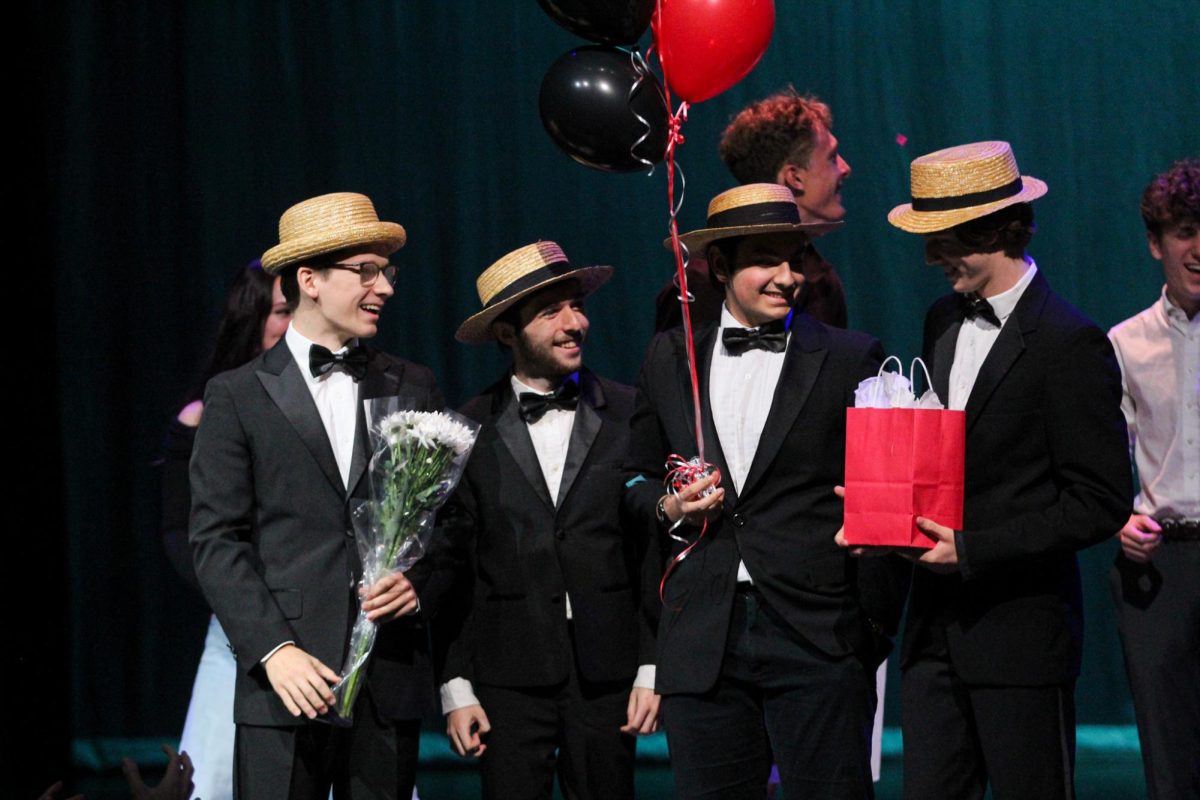

As the actors put on a show on stage, the tech crew puts on their own kind of show behind stage.
On Thursday January 22, the Starlight Theatre Company’s new production of “Les Miserables” premiered. The Starlight Theatre Company (STC) spent months on stage training and preparing for this show. What the audience doesn’t see is the behind the scenes work, one of the most critical pieces. Set design, lighting, audio, and costume design are just some of the things that the stage crew does to bring this show to life.
The planning process for “Les Miserables” was very rigorous. They start planning months in advance in order to create the best show possible. Matthew Humphrey, one of the technical directors of this show, was a big part of bringing this show to life.
“We start pretty much as soon as we get the idea to start the show, we start planning and start figuring out what it’s gonna look like and figuring out what feel we’re going for,” Humphrey said. “So, as soon as we pick the show we start brainstorming.”
This show takes place in the early 1800’s, therefore the costumes are very important because they help reflect the essence of the era. Assistant directors Alice Goss and Spencer Findely did lots of research to help costumes and Opal Burns, is one of the main people that made the costume decisions.
“A lot of research on the time period, what styles, what silhouette and what colors go into the making of the costumes. One of the most important things is the difference in social classes,” Burns said. “Typically, the poor people have an older style because they can’t afford to have new clothes.”
Team work is essential for the tech crew, as they have to be able to communicate with one another to connect all of the moving pieces of the show. With Les Miserables being one of the biggest shows the STC has ever done, it comes with a lot of hard work.
“We are doing all sorts of different things, kids are working on lights and trying to perfect their light cues, we have kids who are working on sound with microphones, we are building, we are painting, we are detailing,” Humphrey said. “We are doing as many things we possibly can at once to make sure all the pieces come together.”
Sound and audio can determine how a scene makes the audience feel. If the audio doesn’t match the scene it can change the whole feeling. If there is a sad scene going on and upbeat music starts to play it completely changes the vibe. One of the audio leads, Sasha Zimmerman guides this process.
“A lot of audio is just practice and skill. Audio is easier than people make it out to be, it’s just patience and being able to follow along in a script and bringing up the right slider,” Zimmerman said. “Once the show is started, the process of getting things ready gets a little less difficult, getting a schedule ready, making sure everybody understands how to troubleshoot during a show quickly and quietly.”
Lighting is also a key element in setting the scene. Much like audio, lighting determines how the audience feels and can really help communicate what the scene is trying to convey. Paul Hampel, one of the lighting designers, enjoys being part of the lighting process.
“The lighting is really important in a lot of scenes for this show,” Hampel said. “It is especially important in the last scene.”