
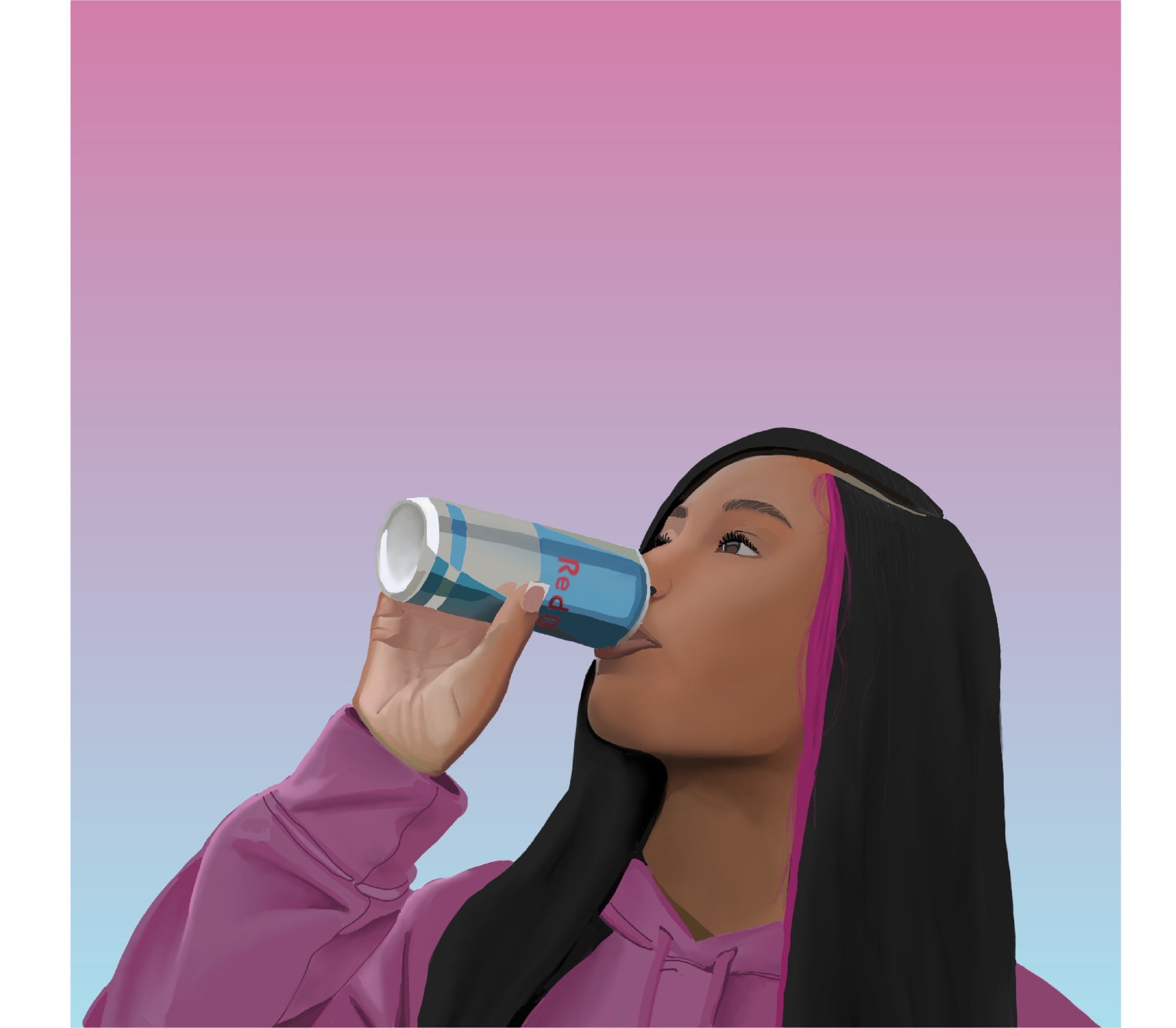
Energy drink cans cracking open, espresso machines whirring, and coffee orders being called out have all become part of many people’s daily lives. From early mornings headed to a morning practice, to late night homework, an increasing number of teenagers rely on caffeine to maintain their daily schedules.
As the consumption of caffeine among teenagers continues to rise, so do the concerns about how it affects students’ academic performance, sleep, and daily habits. Coffee, various energy drinks, and other highly caffeinated drinks have become increasingly available to teenagers. What many students believe to be a simple energy boost can actually lead to mental health issues, exhaustion, and heart problems.
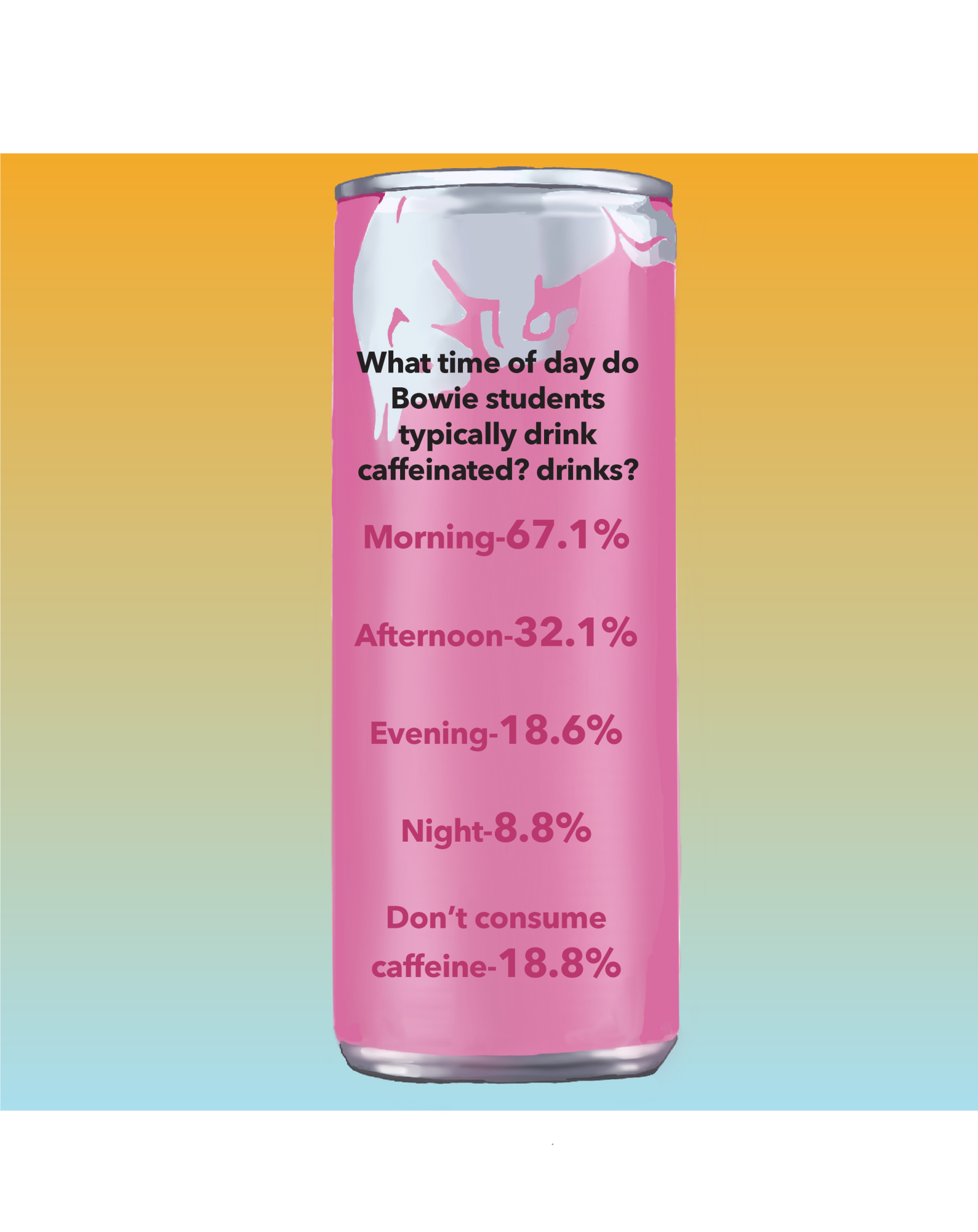
According to the Cleveland Clinic Health Essentials, correct caffeine usage can also have benefits. The clinic’s research shows that caffeine makes users feel more awake because it blocks the effects of adenosine, a neurotransmitter that makes them feel tired, increases their mood by increasing dopamine and norepinephrine activity which enhances sensory detection, and can improve focus.
“I think part of the reason that caffeine can be addictive for teens is because it can help people function and focus during the duration of the school day,” junior Jayden Youngblood said.
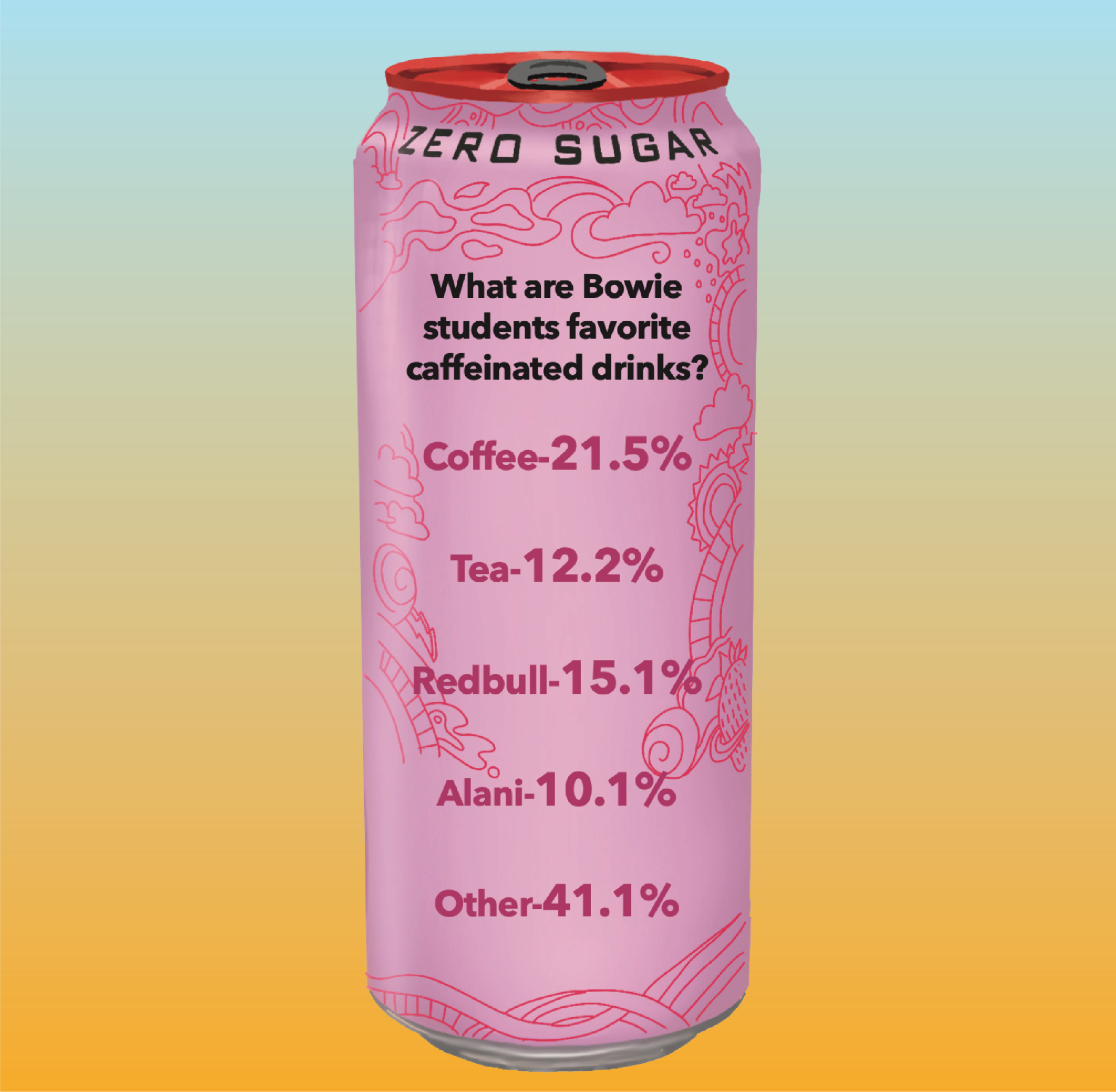
In a Dispatch student survey, around 39% of the students interviewed stated that their main reasoning for caffeine consumption is for an increase of energy. Comparatively, 37% of students interviewed claimed their main reasoning for caffeine consumption was for the taste of the caffeinated drinks.
“I do think caffeine is addictive,” sophomore Bailey Reed said. “Because it can help you wake up and feel less tired. Teens also enjoy the taste of it and often continue to drink it to keep reaching for the feeling of not being tired.”
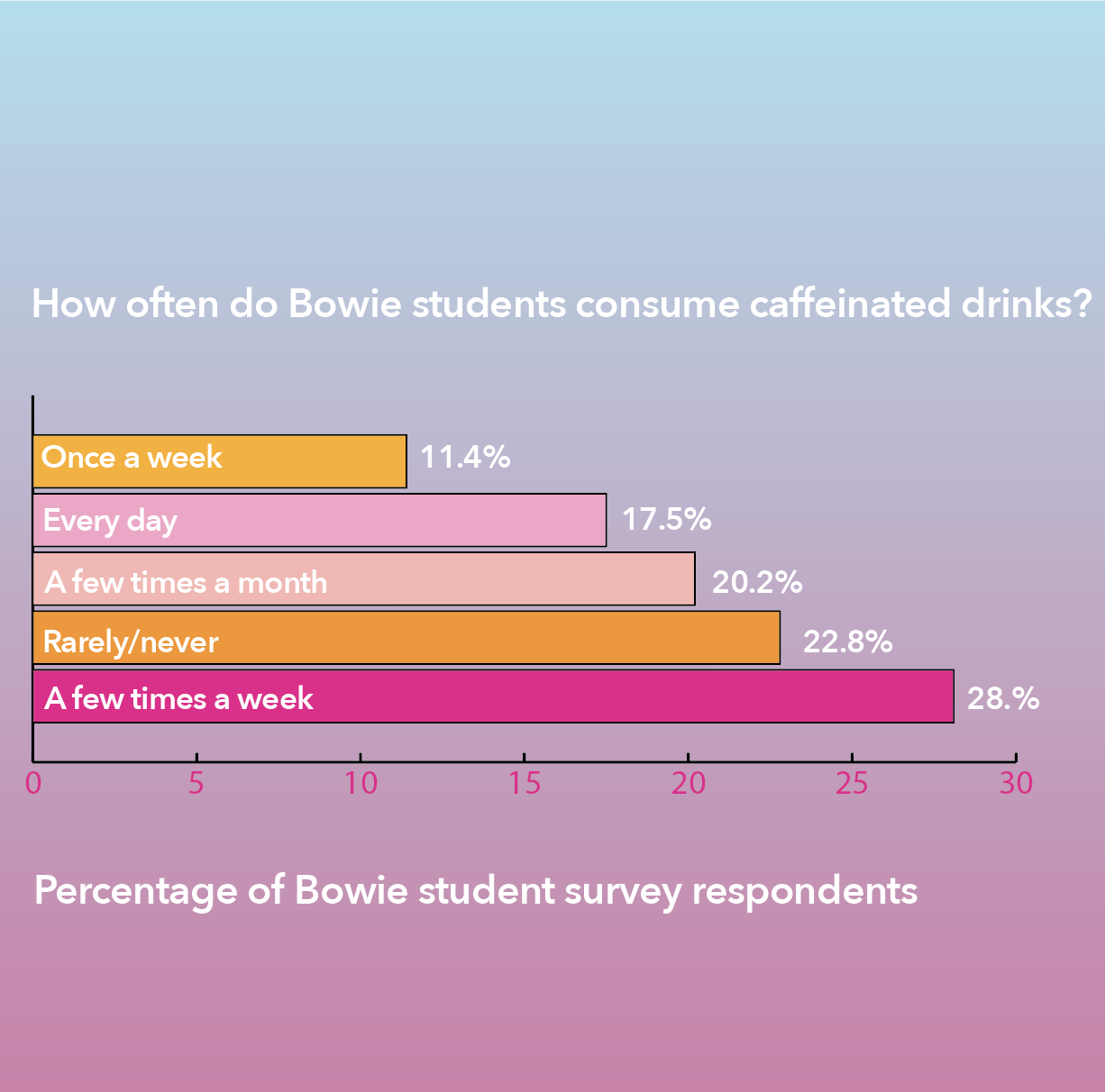
After surveying about 10% of the Bowie student population, results of the survey suggest that over one third of students have experienced negative side effects from consuming caffeine. In fact, 17% of the students surveyed reported that on days where they don’t consume caffeine, they feel more tired than usual.
“I don’t really feel like I need caffeine to function,” sophomore Dylan Cox said. “I feel like I could survive without caffeine, but I just get nauseous and extra tired and sometimes get headaches when I don’t drink it.”
According to The Alcohol and Drug Foundation some negative effects of caffeine include feelings of increased feelings of alertness, activeness, anxiety, irritability, restlessness, dizziness, etc. Various students throughout Bowie were asked about how caffeine affects their lives.
“If I drink an Alani or Bloom energy drink, then my hands and body get really shaky,” sophomore Ruby Royo said. “I also notice that the few times that I do drink caffeine, I get super hyper as well.”
Your donation will support the student journalists of James Bowie High School. Your contribution will help cover our annual website hosting costs. Any contributions made through this service are NOT tax deductible. If you would like to make a tax deductible donation OR to subscribe to our print edition, please contact us at [email protected].