

In November of 2025, the Texas A&M Board of Regents authorized a program that required campus presidents to retire courses that could be seen as support for gender and race ideas and topics related to gender identity. Though the policy was later revised in December when Regents voted to ban most conversations involving the topic in introductory and core curriculum classes, with expectations that could be made if it was determined the subject was necessary for educational purposes.
As a result of this, many issues and controversies have been revealed. Whether it’s concerns for teachers, staff, and students, classes being cancelled and restricted, the policy to retire courses that could be seen as support for gender and race ideas and topics related to gender identity has created many conflicts throughout the A&M campus.
These changes and restrictions in curriculum have created many concerns for Texas A&M students and teachers. In a story by KBTX, students and staff have “voiced concerns about these policies,” and that the restrictions would “curb meaningful conversations in the classroom and border on censorship.” Many students are worried about these restrictions, and how these changes in curriculum could impact their education. This also included the risk of degrees students are pursuing to be devalued, because of the censors in their education. People affected by the restrictions in curriculum have expressed their worries throughout campus.
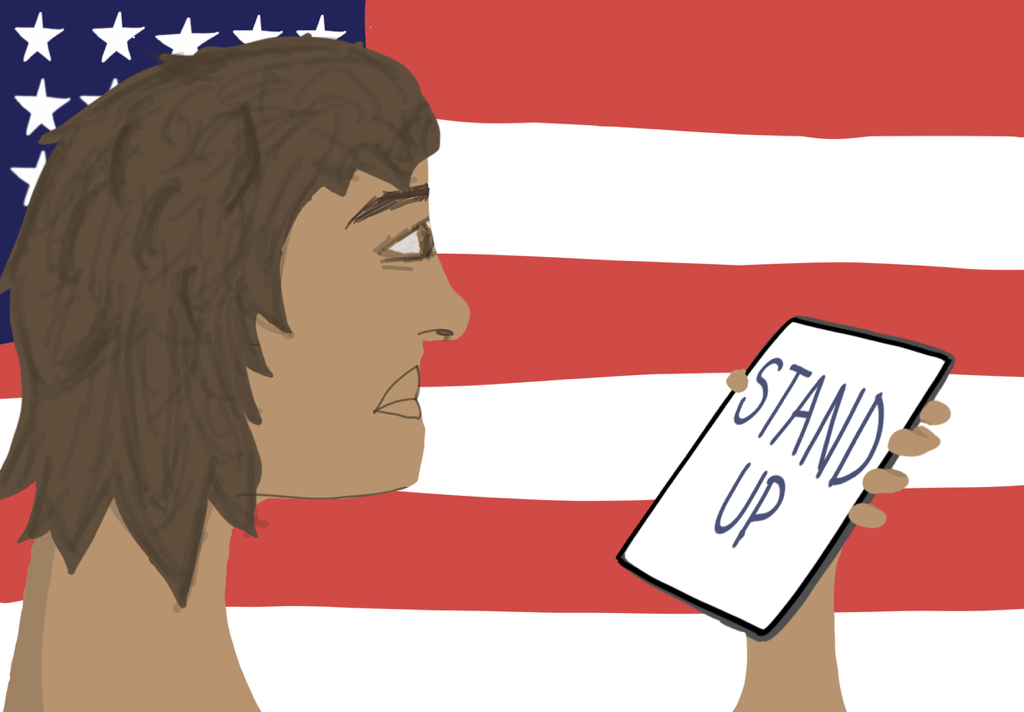
Many students across the A&M campus have voiced their concerns through protests. They are saying how the situation has restricted their academic freedom. KBTX revealed that organizers of these protests said they will “continue speaking out until academic freedom is fully protected at Texas A&M.” Along with students, faculty and alumni groups have also provided support to those affected because of these changes, and how it is a restriction of academic freedom. Protests and the fight for academic freedom still continue today throughout A&M campus and the community.
Along with this, these changes are being made days before the semester begins, and after many students have already enrolled in classes. Many courses affected by the restrictions have been revised to follow the new policy and even cancelled. An article from the Texas Tribune provided an email received by students who had enrolled in SOCI 217, Introduction to Race and Ethnicity, where administrators stated that they “‘carefully considered’ whether the course could comply with the revised policy and ‘concluded that we cannot teach this course in its present form.’“ The message then expressed how many students needed to complete the course for a degree and career goals, but were told to instead seek it through an independent study course.
Though many students have voiced their concerns about the change in curriculum, not everyone on campus agrees with the protesters’ messages. KBTX interviewed conservative student Justino Russell, who said he “came to the rally to hear the other side but believes limits on classroom content are necessary.” He then says how “Academia has been functioning as a think tank for the left,” and that “We have academic freedom, but with great freedom comes great responsibility. So, we also have academic responsibility.”
Even though many believe that restrictions on classroom content is necessary, it’s causing a larger conflict as it spreads. Courses at other universities and high schools classroom content are restricted as a result. The UT Rhetoric and Writing class is an example of this, when essay prompts were changed from revolving around gender and race ideas to the topic of pop culture. As this spreads, more and more students are gaining the feeling of the restriction of academic freedom. This change in curriculum has generated many issues, and continues to do so today. For the sake of students, staff, and administration, the policy to retire courses that could be seen as support for gender and race ideas and topics related to gender identity should be removed in order for people to be educated on those topics, and to prevent the harmful outcomes it may produce.