

From ballet core to tomato girl summer, microtrends are rapidly cycling through social media and our society as a whole. Microtrends are short-lived styles or trends that experience rapid rises and falls in popularity. The concept of microtrends has been around for centuries but has only been accelerated with the rise of social media apps such as TikTok and Instagram.
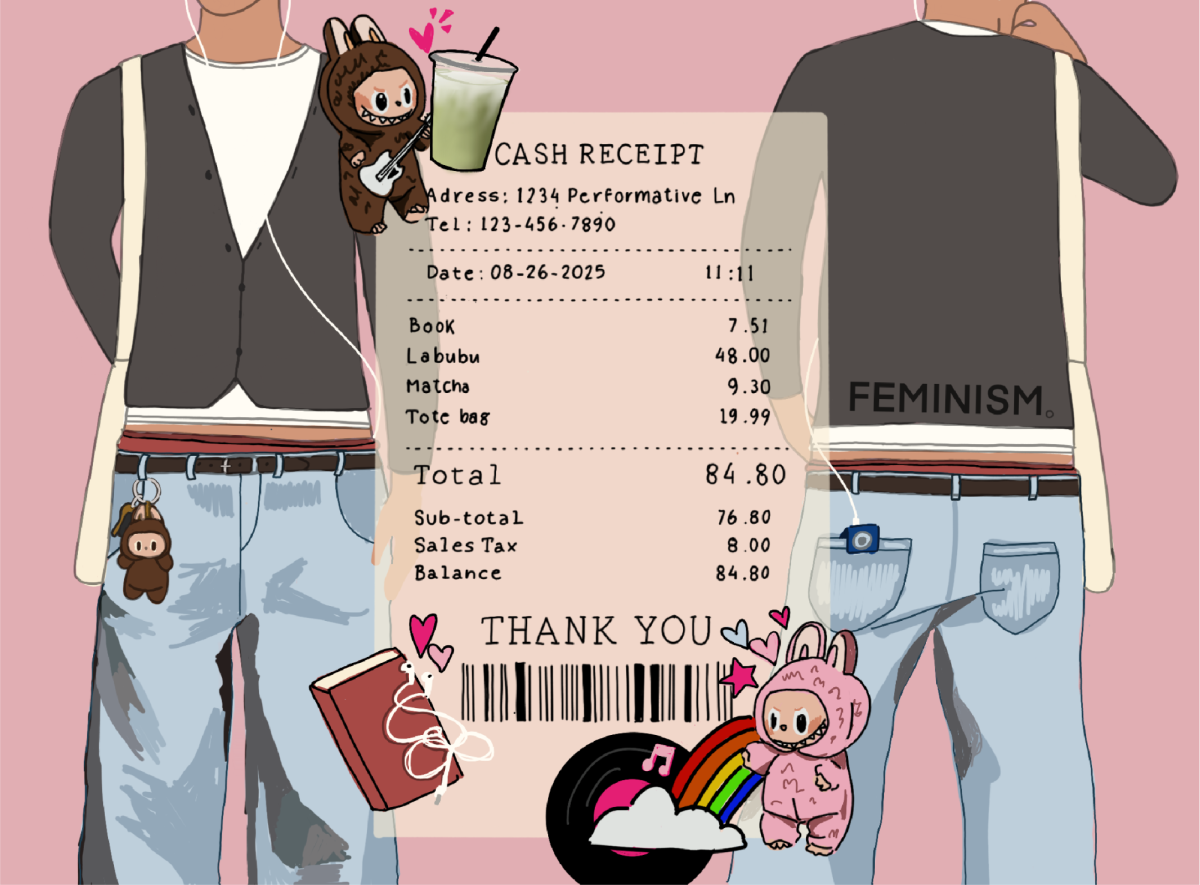
Microtrends are different from regular trends, like low rise jeans or polka dots, which are easy to buy for and have frequently come back into style over the years. Microtrends, such as coastal grandmother and mobe wife-core, typically require people to buy multiple different outfits in order to be considered a part of the trend. Most of the time the style is popularized before being completely forgotten about or suddenly considered out of style and weird.
The popularization of microtrends has paved the way for the normalization of overconsumption and the loss of personal style. People are more concerned about fitting into the trends rather than finding what fits them best.
Along with the rise of microtrends it has also become normal to purchase all of the items that come with these quick falling trends. Many people will buy entirely new wardrobes to match their new favorite trend, only to switch their style when the newest hot trend surfaces. Not only is it very expensive to constantly be switching styles, it also makes people think that overconsumption is normal, especially the younger generation that is growing up on social media.
Overconsumption harms our environment by depleting natural resources when humans consume more than we actually have. According to Sentient Media, by 2024 we would have needed 1.7 earths to be able to sufficiently provide for the amount of resources that humans used up to that point. However, since we obviously only have one earth, we are constantly damaging our environment and making it a little more unlivable everyday. The overconsumption due to microtrends will only worsen this environmental issue and furthermore, the bandwagon effect of microtrends pushes the notion that this kind of overconsumption is normal, leaving people ignorant to the environmental devastation it will cause.
Additionally, the idea of rapidly switching styles is eliminating personal styles and creativity while simultaneously promoting conformity. While I am not saying that everyone needs to find one singular style and stick with it forever, a large portion of society is participating in microtrends just to fit in, not to actually find the style that they like. Microtrends are also specifically marketed towards teenagers and young adults who are more susceptible to the idea of thinking they need to be like everyone else in order to fit in. This is extremely problematic considering the fact that deceptive views of influencer’s lives already cause pre-teens and teenagers to feel like they should live their lives a certain way, and the popularization of microtrends only add to this notion.
Microtrends are commonly used to take something basic, like having brown hair, and making it marketable, like cinnamon cookie butter hair. This example comes from Hailey Bieber, model and wife of singer Justin Bieber who recently dyed her hair a simple shade of brown, yet fans have given it a complex and unique name to make it seem like something it’s not. While dying hair brown has been a thing for many years, calling it cinnamon cookie butter hair makes it enticing and creates yet another useless microtrend and way for people to profit off of it. Now, many people are spending extra money just to dye their hair the most common color while being under the impression that they are doing something unique.
Though microtrends are not sustainable in the slightest bit, many people argue that the concept of microtrends helps people find confidence within themselves. One example of this is tube girl, a 22 year old named Sabrina Bashoon who created a microtrend by simply confidently dancing on a subway and posting it on TikTok. This gave other creators on TikTok the confidence and inspiration to do the same. However, this is just one side of microtrends and ignores the trends related to clothing and cosmetics that cause the real problems. If there is a microtrend that is completely free and only boosts someone’s confidence, then that should absolutely be spread and turned into a trend, but that is not the case for typical microtrends.
It may seem like there is nothing most of us can do as teenagers with small social media presence, however, being authentically yourself and promoting personal style can inspire the people around you to find confidence within themselves, rather than finding confidence in mindless trends that will be forgotten within the month.
Though microtrends seem like harmless and silly concepts on the outside, they are actually very harmful to the environment and the self-esteem of the younger generations. Microtrends will probably always be around, but they should be repressed and given less hype in order to persuade people to be educated on the harmful effects of them before deciding if they want to partake in it.