
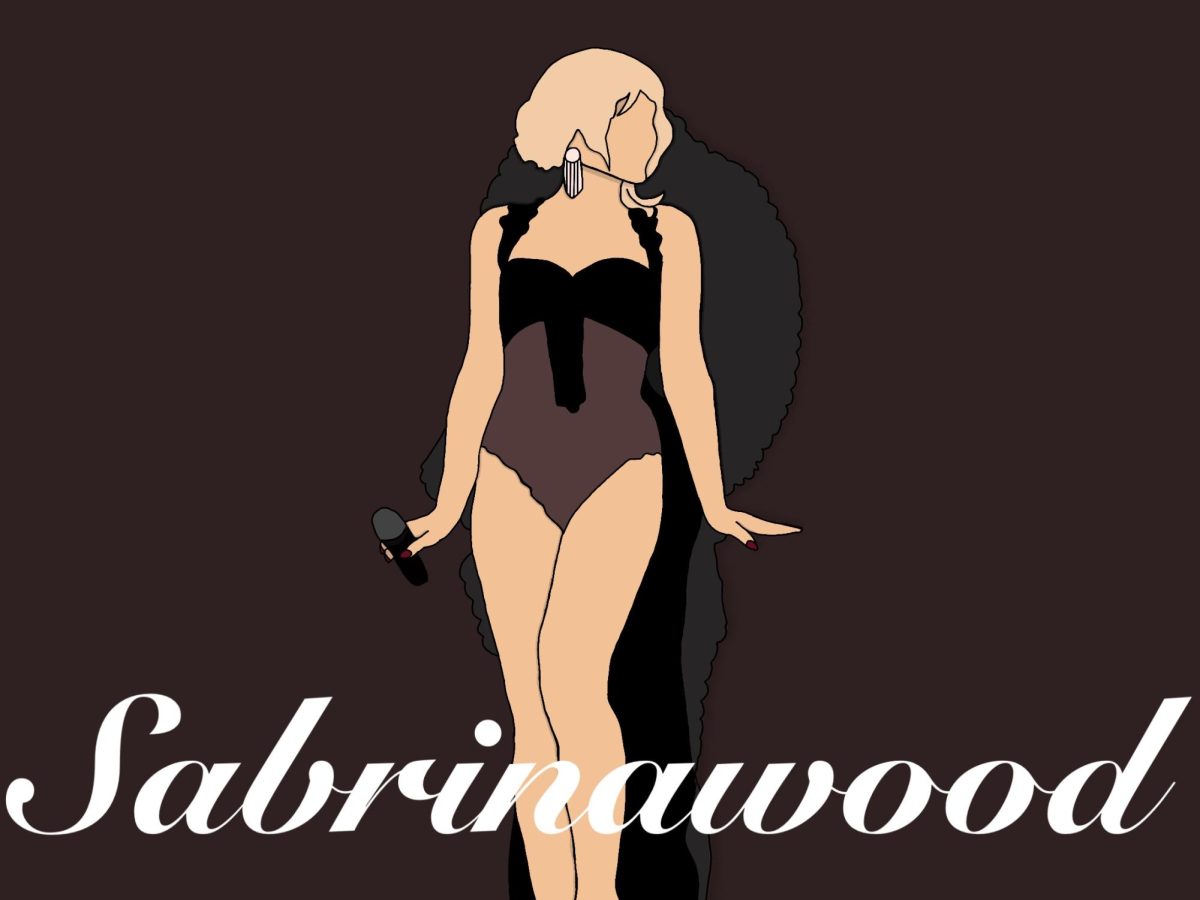
Under the desert lights of Indio, where every performance is expected to be louder, flashier, and more headline-worthy than the last, Sabrina Carpenter walked onto the Coachella stage and turned it into a glossy old-Hollywood dream she fittingly called “Sabrinawood.”
For years, Coachella has been known as a place where artists chase spectacle. Giant pyrotechnics, surprise guests, dramatic entrances, and social media moments often overshadow the actual music. Carpenter understood the assignment, but instead of trying to outdo everyone with chaos, she built a performance around image, charm, and control.
The set was styled like a glamorous Hollywood production. There were vintage visuals, polished choreography, sparkling costumes, and the kind of stage presence that felt carefully rehearsed without becoming robotic. The “Sabrinawood” concept framed the entire show like a walk through Carpenter’s own pop-stardom movie set. She has always leaned into theatricality, but at Coachella she pushed that identity further. Every movement seemed intentional. Every camera angle felt considered. The entire show looked less like a festival set and more like a star vehicle.
That theme mattered. Carpenter has spent the last year transforming from former Disney actress and pop up-and-comer into a genuine main pop figure. Her recent success has not come from reinvention so much as refinement. She knows exactly what kind of performer she wants to be, and this show reflected that confidence.
Vocally, she was sharp throughout the night. Festival performances can sometimes suffer from weak live singing, too much backing track, or artists being swallowed by production. Carpenter avoided those traps. She sounded strong, energetic, and playful, especially on her biggest songs. Even when the choreography intensified, her vocals remained steady.
Of course, no major Coachella performance feels complete without surprise appearances, and Carpenter delivered there as well. She brought out special guests that sent the crowd into a frenzy, creating the type of communal excitement that festivals thrive on. The appearances were smartly timed and never distracted from the main event. They added energy without hijacking the performance.
That balance is harder than it looks. Many artists use guests as a shortcut, relying on celebrity cameos to generate buzz. Carpenter used hers as enhancement, not replacement. It was still clearly her show from beginning to end.
Still, the weekend surrounding Carpenter was not without controversy. Online discussion resurfaced criticism tied to a moment in which she was accused of reacting dismissively to someone’s culture, with many pointing to a comment interpreted as “eww.” Whether exaggerated through social media retelling or fairly criticized, the backlash became part of the conversation around her appearance.
That is the strange reality of modern pop stardom. Artists no longer arrive at festivals carrying only their set-lists. They arrive with weeks of discourse attached to them. Every performance now exists alongside apology demands, fan defenses, clipped videos, and trending arguments.
To Carpenter’s credit, she did what many performers in that position aim to do but fail at. She redirected attention to the work itself. Once the music started, the discussion online felt secondary to what was happening on stage.
And what was happening on stage was impressive.
The Hollywood concept could have easily come across as shallow. There is always a risk when leaning too heavily into glamour that style replaces substance. Instead, Carpenter made the aesthetic feel playful and self-aware. She seemed in on the joke while still fully committing to it. It was glamorous, yes, but not lifeless. Campy, but not unserious.
There is something refreshing about a pop star embracing performance as performance. Not every concert needs to be framed as therapy. Not every set has to pretend it is raw and spontaneous to be meaningful. Sometimes audiences simply want to be entertained by someone who understands how to command a stage. Carpenter clearly does.
The crowd responded accordingly. Fans screamed every lyric, phones lit the air, and even casual viewers seemed drawn into the momentum. Coachella crowds can be difficult, split between devoted fans, curious passersby, influencers, and exhausted attendees waiting for the next act. Carpenter held them.
That may be the most important takeaway of the night. Beyond costumes, discourse, and guest appearances, she looked like an artist fully capable of carrying a massive stage.
As the set closed and the desert lights bounced off sequins and screens, Carpenter left behind the kind of performance festivals are built for. It was polished, dramatic, catchy, and highly discussable.
In other words, it was very Sabrinawood. And for one night at Coachella, that worked perfectly.